Greece, Glass-Steagall: Mario Draghi Drawn into a Shouting Match in European Parliament
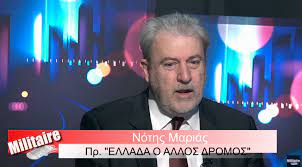
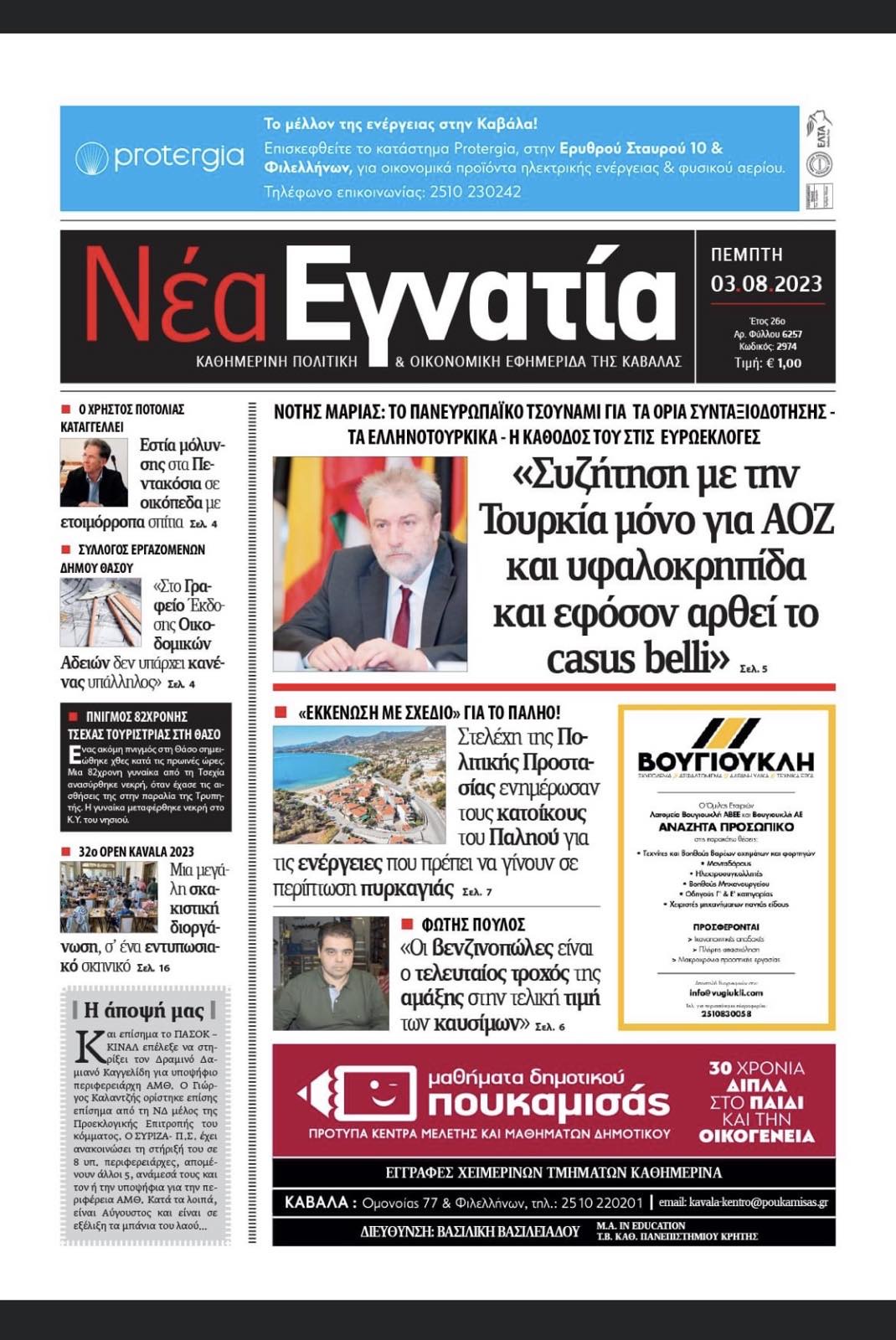
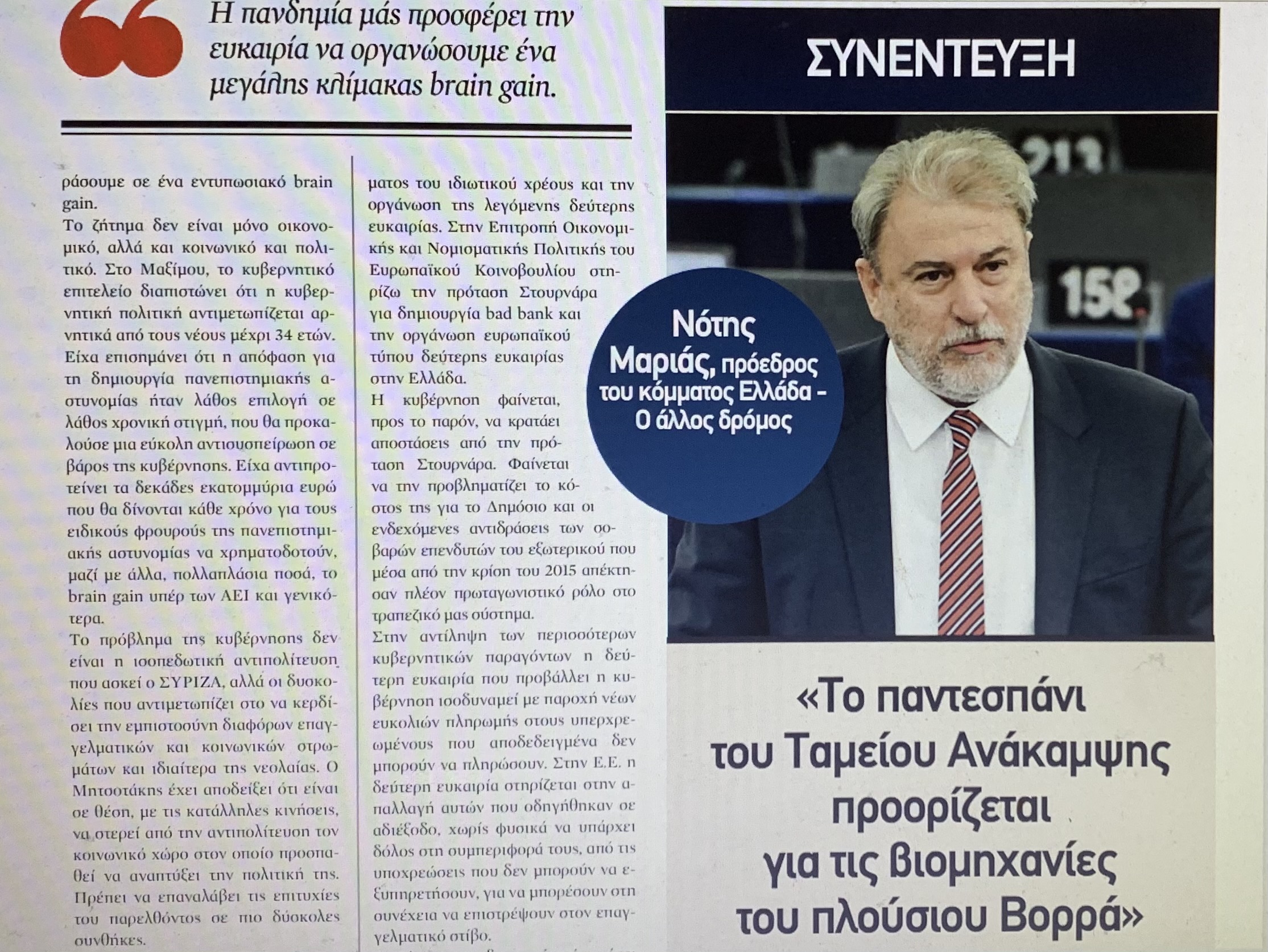
Marias accused the European Central Bank of harboring a giant conflict of interest, being the lender and the regulator at the same time, and of being “a state in the state.” The ECB, as part of the Troika, he said, has plunged countries into poverty, and blackmails peoples and governments in the name of saving the euro. The ECB decision on Feb. 4 to no longer accept Greek bonds as collateral, he charged, was illegal. You have to respect European peoples, Marias told Draghi. He demanded that the ECB give back to Greece the EU1.9 billion in earnings it made from Greek bonds.
Italian MEP Marco Zanni also made a forceful intervention, accusing the ECB of seeking “war” against Greece, as reflected in Draghi’s letter to Eurogroup President Jeroen Dijsselbloem, and in caring more about “yields for the banks” than welfare of the people. He argued that Glass-Steagall is the only solution for the system. QE won’t work, because we have a systemic problem, Zanni said, “and the only solution is a real banking separation, as opposed to the fake one pushed by the EU Commission.”
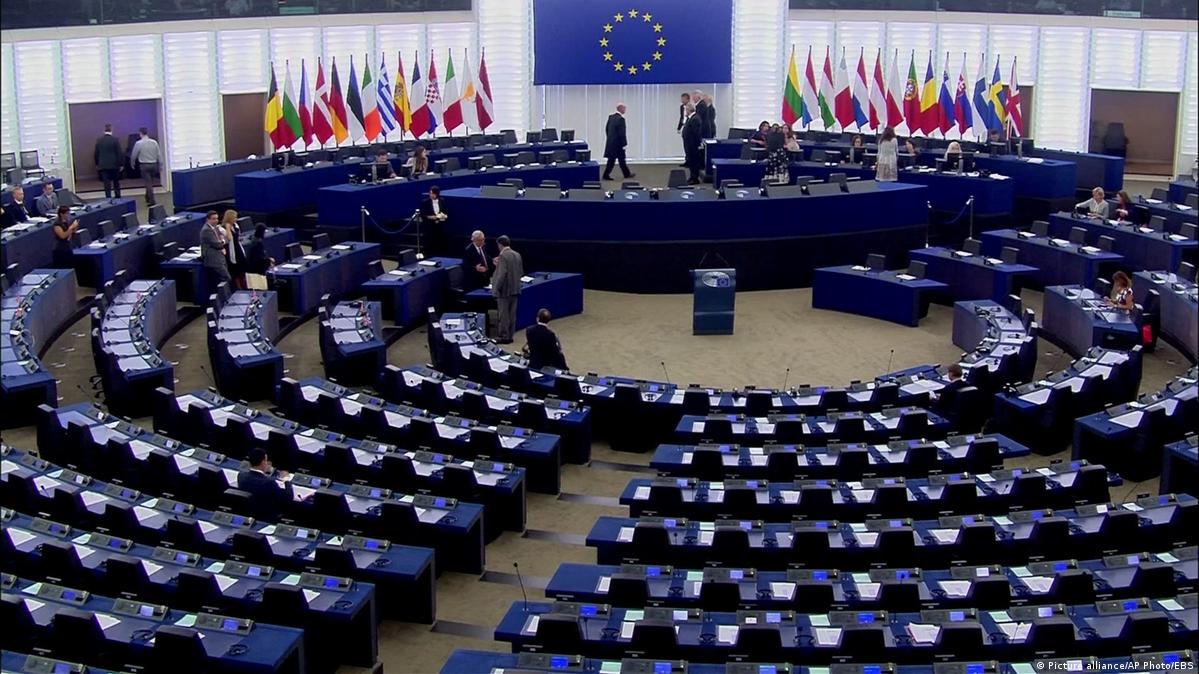
Draghi ignored Zanni’s intervention, but chose to respond at length to Marias, probably assuming he could lie his way through. He started to claim that the profits the ECB makes from the Securities Market Program program “have been distributed to the central banks.” At that point, Marias shouted from his bench that this is not correct, and a shouting match developed, with Draghi insisting that it is the case, and Marias countering Draghi’s statements, until the chairman intervened and Draghi could go on. Draghi also claimed that the reason the ECB had lifted the waiver on Greek bonds, thus shutting out the refinancing operation for Greek banks, was that they had plunged “below the threshold.”
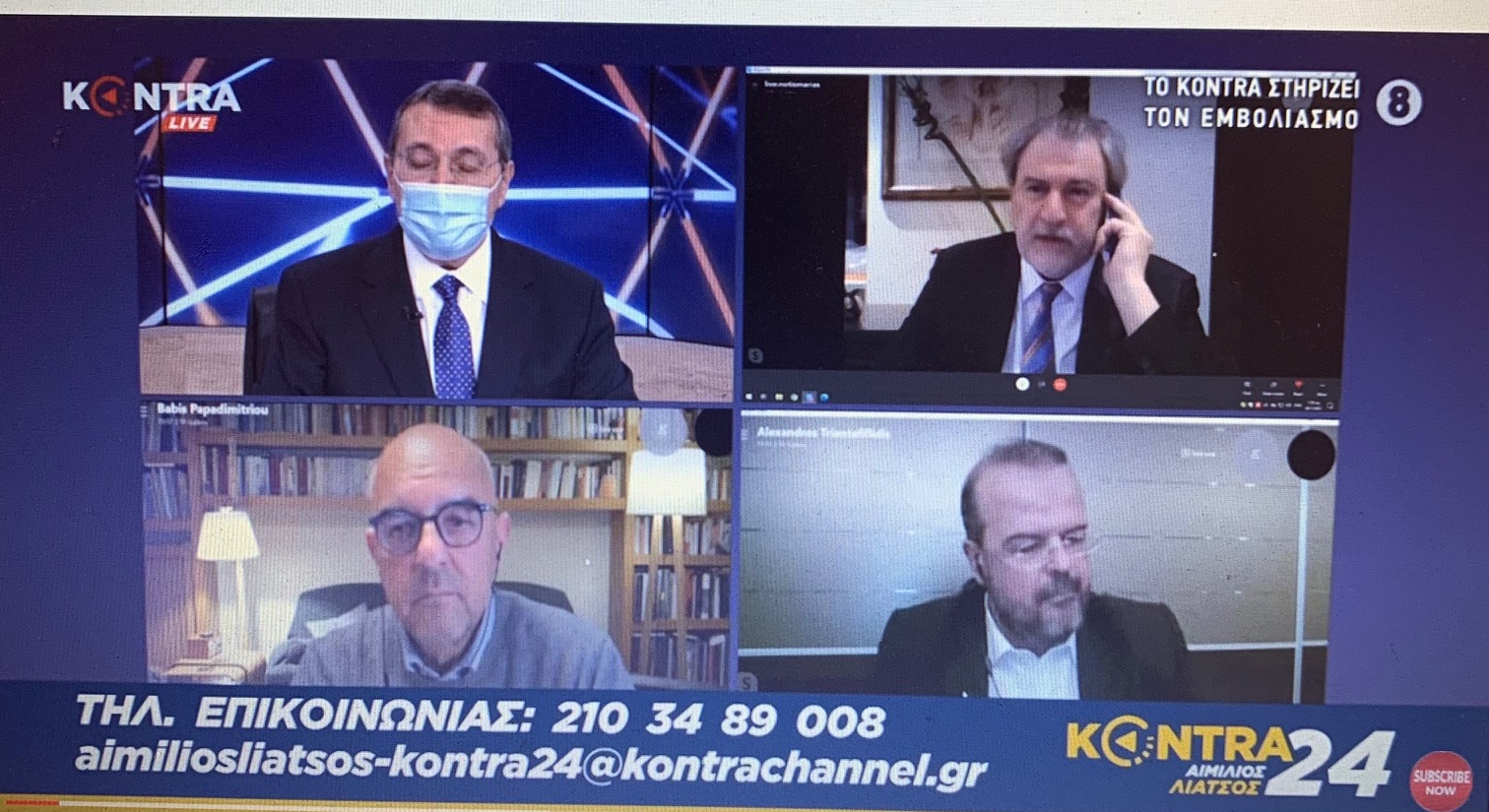
In a short interview with EIR the day after, Marias refuted Draghi’s statements. First, he said, the ECB is withholding restitution of profits to the Central Bank with the claim that Greece must first comply with the Troika program. Secondly, the ECB decision on the waiver was illegal, because it was taken before the program expired. Greece was in the program until Feb. 28, but the ECB took its decision on Feb. 4, to be executed on Feb. 16. Furthermore, the ECB purchased Greek bonds at 40% and now wants them to be paid in full.
Only the French government returned profits from Greek bonds last year, Marias said.
Draghi might have had one additional reason to be angry with the Greek MEP. Although he wanted to cancel or postpone his appearance before the European Parliament, the Rapporteur turned down his request. That Rapporteur was none other than Notis Marias.